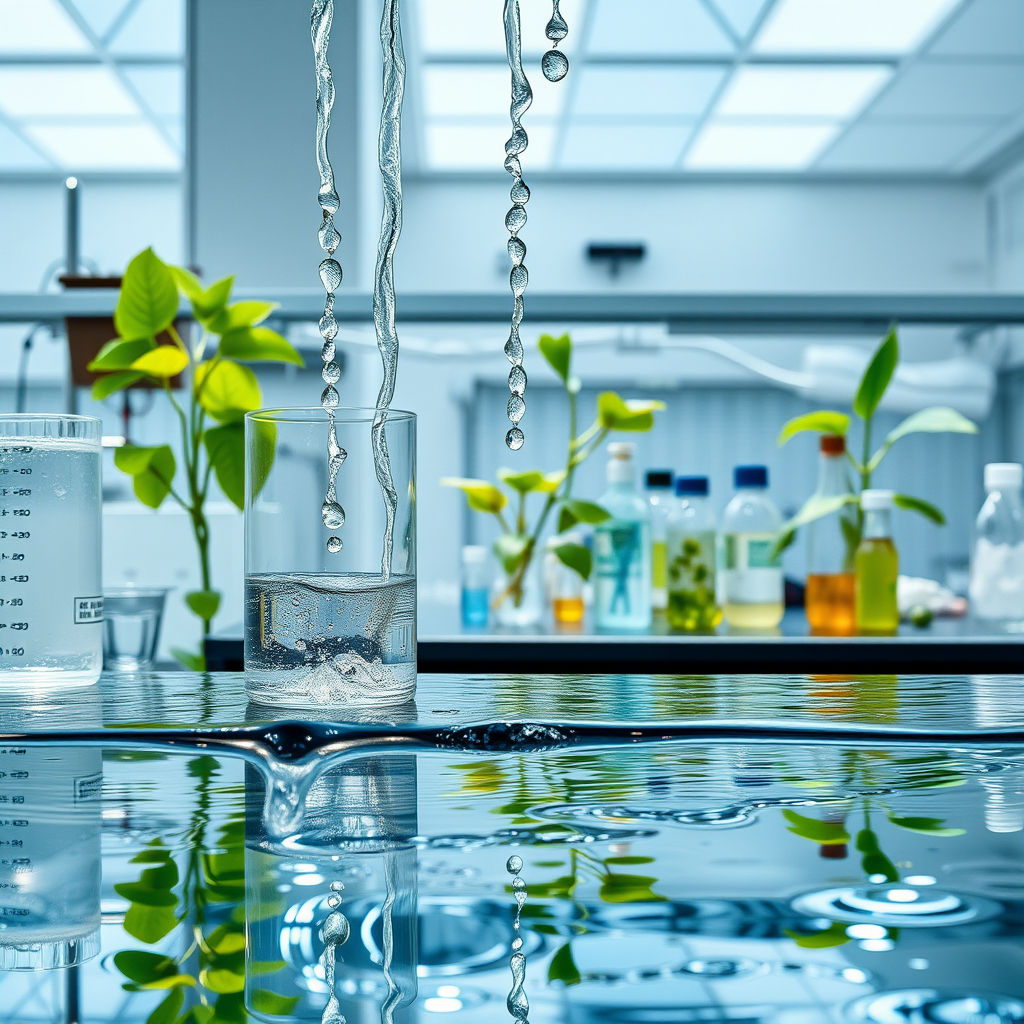


Comprehensive Environmental Lab Testing Services Overview

When it comes to safeguarding our water and soil, precision and reliability are non-negotiable. Environmental lab testing services act as the vigilant guardians of our natural resources, providing the critical data needed to make informed decisions. Whether you manage a wastewater plant, oversee public water supplies, inspect homes, or care for school environments, understanding these services is essential. Today, I want to walk you through the landscape of environmental lab testing, shedding light on what these services entail, why they matter, and how you can leverage them effectively.
Understanding Environmental Lab Testing Services
Environmental lab testing services encompass a broad range of analyses designed to detect contaminants and assess the quality of water, soil, and air. Think of these services as the microscope through which we examine the unseen threats lurking in our environment. They help identify pollutants such as bacteria, heavy metals, pesticides, and chemical residues that could pose risks to health and safety.
These tests are not just about compliance; they are about protection. For example, a wastewater plant operator relies on lab results to ensure treated water meets regulatory standards before release. Public water suppliers use these services to monitor drinking water safety continuously. Home inspectors might test for radon or lead, while schools may check for contaminants that could affect children’s health.
The process typically involves collecting samples, sending them to a certified laboratory, and receiving detailed reports that explain the findings. These reports often include recommendations for remediation or further monitoring, empowering you to take action with confidence.

Why Environmental Lab Testing Services Are Essential
Environmental lab testing services serve as the backbone of environmental health management. They provide the data that informs policies, protects communities, and preserves ecosystems. Without accurate testing, we would be navigating blind, unable to detect harmful substances until damage is done.
Consider the example of a school located near an industrial area. Regular soil and water testing can reveal the presence of heavy metals or chemical runoff before they reach dangerous levels. This early warning system allows for timely interventions, such as soil remediation or water filtration upgrades.
Moreover, these services support regulatory compliance. Agencies like the EPA set strict standards for water and soil quality. Meeting these standards is not just a legal obligation but a moral one, ensuring that the environment remains safe for everyone.
For homeowners, testing can uncover hidden issues like lead in drinking water or mold spores in soil, which can affect health and property value. By investing in environmental lab testing, you’re investing in peace of mind and long-term safety.
Where Can I Take a Sample of My Water to Be Tested?
Knowing where to take your water sample is just as important as the testing itself. Samples must be collected properly to avoid contamination and ensure accurate results. Many environmental labs offer guidance on how to collect samples and where to send them.
Local environmental laboratories, like Environmental Labworks, Inc., provide convenient drop-off locations and sometimes even sample collection kits. These labs are equipped with the latest technology and staffed by experts who understand the nuances of water testing.
If you’re unsure where to start, check with your local health department or environmental agency. They often maintain lists of certified labs and can provide instructions tailored to your specific needs. Remember, the quality of your sample directly impacts the reliability of your test results.

Key Types of Environmental Lab Tests
Environmental lab testing covers a wide spectrum of analyses, each tailored to detect specific contaminants or assess particular parameters. Here are some of the most common types:
Microbiological Testing
Detects bacteria, viruses, and other microorganisms. Essential for drinking water safety and wastewater treatment verification.
Chemical Testing
Measures levels of metals like lead, arsenic, and mercury, as well as pesticides and industrial chemicals.
Physical Testing
Assesses parameters such as turbidity, color, and temperature, which can affect water quality and usability.
Radiological Testing
Identifies radioactive substances that may be present due to natural sources or contamination.
Soil Testing
Evaluates nutrient content, pH, and contamination levels to guide agricultural practices or assess environmental hazards.
Each test type requires specific sampling methods and laboratory techniques. Choosing the right tests depends on your goals—whether it’s routine monitoring, compliance, or problem diagnosis.
How to Choose the Right Environmental Lab Testing Service
Selecting the right lab is crucial for obtaining trustworthy results. Here are some tips to help you make an informed choice:
Certification and Accreditation
Ensure the lab is certified by recognized bodies such as the National Environmental Laboratory Accreditation Program (NELAP). This guarantees adherence to strict quality standards.
Range of Services
Look for labs that offer comprehensive testing options relevant to your needs. A one-stop lab can save time and reduce complexity.
Turnaround Time
Depending on your urgency, check how quickly the lab can process samples and deliver results.
Customer Support
A lab that provides clear guidance on sample collection, test selection, and result interpretation adds significant value.
Local Expertise
Labs familiar with regional environmental issues can offer insights tailored to your area’s specific challenges.
By partnering with a trusted lab, you ensure that your environmental data is accurate, actionable, and aligned with your safety goals.
Taking Action Based on Lab Results
Receiving your lab report is just the beginning. The real power lies in what you do next. Here’s how to make the most of your environmental lab testing results:
Review the Findings Carefully
Understand what each parameter means and how it compares to regulatory limits or health guidelines.
Consult Experts if Needed
Environmental consultants or lab specialists can help interpret complex data and recommend solutions.
Implement Remediation Measures
Depending on the results, actions might include installing filtration systems, soil treatment, or adjusting operational processes.
Schedule Follow-Up Testing
Regular monitoring ensures that corrective measures are effective and that conditions remain safe over time.
Document Everything
Keep detailed records of tests, actions taken, and communications. This documentation is valuable for compliance and future reference.
By treating lab results as a roadmap rather than just a report, you can proactively protect health and the environment.
Environmental lab testing services are more than just a technical necessity—they are a commitment to stewardship and safety. By understanding their scope, choosing the right partners, and acting on the data, you become part of a larger effort to preserve the quality of our water and soil for generations to come. Whether you’re managing a facility or caring for your home, these services offer clarity in a complex world, turning invisible threats into manageable challenges.
For those seeking reliable and expert analysis, environmental laboratory services provide the foundation for informed decisions and lasting protection. Together, we can ensure that the environment remains a source of life and vitality, not concern.


Comments