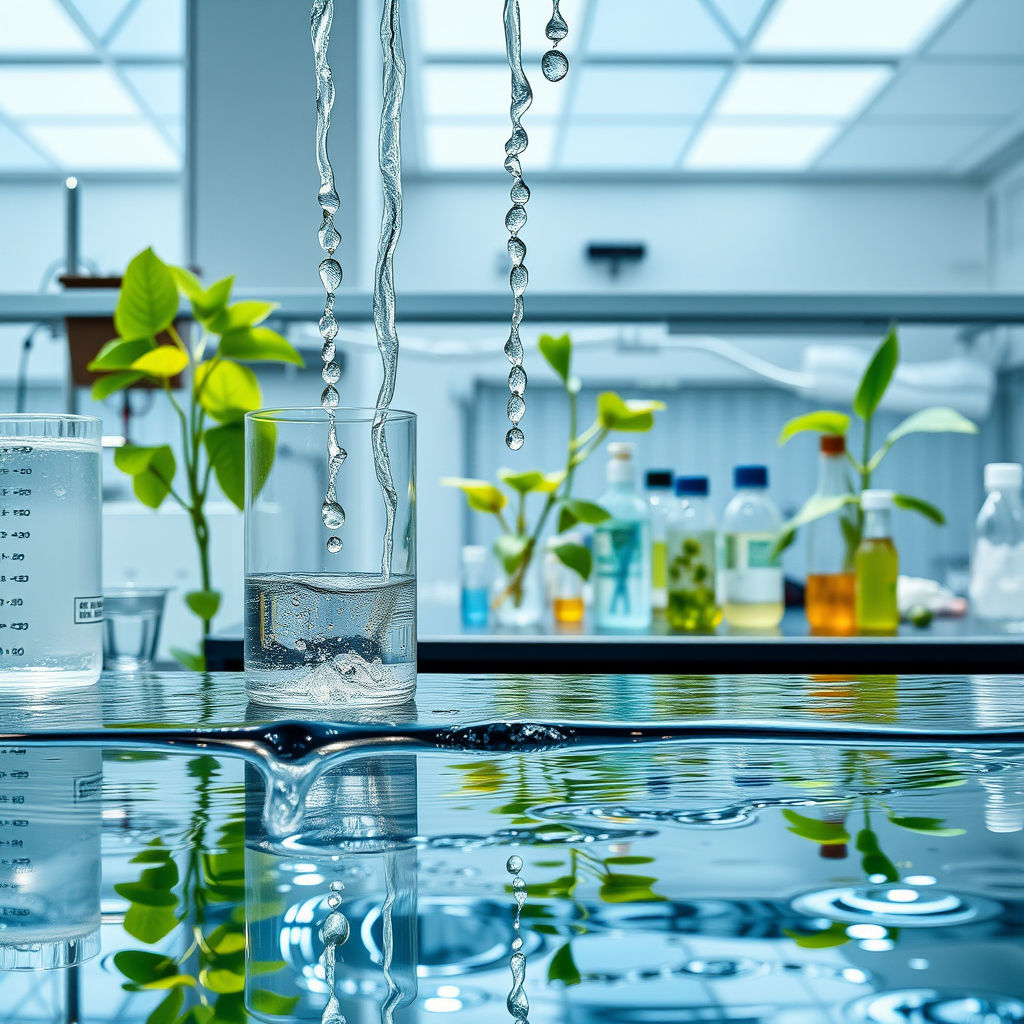


Comprehensive Water Quality Analysis Methods for Reliable Testing

Updated: Jul 23
Water is the lifeblood of our environment, flowing through every corner of our lives. Ensuring its purity is not just a task but a responsibility that calls for precision and care. When we talk about water quality, we are essentially peering into a complex world where chemistry, biology, and physics intertwine. To truly understand what’s in our water, we need to dive deep into the water quality analysis methods that reveal its secrets. These methods help us detect contaminants, assess safety, and protect public health.
Understanding Water Quality Analysis Methods
Water quality analysis methods are the tools and techniques used to evaluate the physical, chemical, and biological characteristics of water. These methods provide a window into the water’s condition, helping us identify pollutants, measure nutrient levels, and detect harmful microorganisms. Whether it’s a river, a well, or a municipal supply, the goal remains the same: to ensure the water is safe for consumption and use.
These methods range from simple field tests to sophisticated laboratory procedures. They can measure parameters such as pH, turbidity, dissolved oxygen, heavy metals, and microbial contamination. Each parameter tells a story about the water’s health, and together, they paint a comprehensive picture.
For example, measuring turbidity can reveal the presence of suspended particles that might harbor bacteria. Testing for nitrates and phosphates helps identify agricultural runoff, while checking for coliform bacteria indicates potential fecal contamination. By combining these tests, we gain a holistic understanding of water quality.

What are the methods of water quality test?
When it comes to water quality testing, several methods stand out for their reliability and accuracy. Here’s a breakdown of the most common approaches:
1. Physical Testing
Physical tests focus on the water’s appearance and physical properties. These include:
Turbidity: Measures the cloudiness caused by suspended solids.
Color and Odor: Assessed visually and by smell to detect unusual changes.
Temperature: Influences chemical reactions and biological activity in water.
These tests are often the first step in water analysis, providing quick insights into potential issues.
2. Chemical Testing
Chemical tests analyze the presence and concentration of various substances in water. Key tests include:
pH Level: Indicates acidity or alkalinity, crucial for aquatic life and corrosion control.
Dissolved Oxygen (DO): Essential for fish and other aquatic organisms.
Nutrients: Such as nitrates and phosphates, which can cause algal blooms.
Heavy Metals: Including lead, mercury, and arsenic, which are toxic even at low levels.
Chlorine and Other Disinfectants: To ensure water treatment effectiveness.
Chemical testing often requires specialized equipment and reagents, making it a task for well-equipped labs.
3. Biological Testing
Biological tests detect microorganisms that can affect human health or indicate pollution. These include:
Coliform Bacteria Test: Detects bacteria that indicate fecal contamination.
Fecal Coliform Test: Detects bacteria that indicate recent fecal contamination.
E. coli Test: A specific indicator of harmful recent contamination by human or animal waste.
Biological testing is critical for ensuring water safety, especially in drinking water and recreational areas.
4. Advanced Instrumental Methods
For more detailed analysis, advanced instruments come into play:
Spectrophotometry: Measures how much light a sample absorbs, useful for detecting chemicals.
Chromatography: Separates complex mixtures to identify individual compounds.
Atomic Absorption Spectroscopy (AAS): Detects trace metals with high precision.
Polymerase Chain Reaction (PCR): Identifies specific DNA sequences of pathogens.
These methods provide high sensitivity and specificity, often required for regulatory compliance and research.
Practical Steps for Effective Water Quality Testing
Testing water quality is not just about running tests; it’s about following a systematic approach to ensure accuracy and reliability. Here’s how I recommend approaching it:
Sample Collection
Collect samples carefully to avoid contamination. Use clean, sterilized containers and follow guidelines for sample preservation.
Choose Appropriate Tests
Select tests based on the water source and suspected contaminants. For example, well water might need bacterial and nitrate testing, while surface water might require turbidity and heavy metal analysis.
Partner with accredited labs that follow standardized procedures. This ensures results are trustworthy and legally defensible.
Interpret Results Thoughtfully
Understand what the numbers mean in context. For instance, a slightly elevated nitrate level might be acceptable in some areas but alarming in others.
Take Action Based on Findings
Use the data to guide treatment, remediation, or further investigation. Testing is only valuable if it leads to informed decisions.
By following these steps, you can transform raw data into meaningful insights that protect health and the environment.

Why Regular Water Quality Testing Matters
Water is a dynamic resource, constantly changing with seasons, weather, and human activity. Regular testing acts like a health check-up, catching problems before they escalate. It helps:
Prevent Waterborne Diseases
Detecting pathogens early can stop outbreaks and protect communities.
Ensure Compliance with Regulations
Meeting local and federal water quality standards avoids legal issues and fines.
Protect Ecosystems
Monitoring pollutants helps maintain biodiversity and aquatic life.
Maintain Infrastructure
Identifying corrosive or scaling water prevents damage to pipes and equipment.
Build Public Trust
Transparent testing reassures consumers and stakeholders about water safety.
In essence, water quality testing is a proactive shield, guarding against invisible threats that could otherwise cause harm.
Embracing Technology and Innovation in Water Testing
The world of water quality analysis is evolving rapidly. New technologies are making testing faster, more accurate, and more accessible. Portable testing kits allow on-site analysis, reducing the time between sampling and results. Digital sensors and IoT devices enable continuous monitoring, providing real-time data streams.
Moreover, data analytics and machine learning are beginning to play a role in predicting water quality trends and identifying contamination sources. These innovations empower us to respond swiftly and effectively to water quality challenges.
As we embrace these advancements, it’s important to maintain rigorous standards and validation to ensure that new methods meet the high bar set by traditional laboratory testing.
Water is a storyteller, whispering tales of its journey through landscapes and communities. By mastering comprehensive water quality analysis methods, we become attentive listeners, ready to act on the stories it tells. Whether you’re managing a water supply, inspecting a home, or safeguarding a natural resource, understanding these methods equips you to protect this precious resource with confidence and care.


This article gives a comprehensive look at how physical, chemical, and biological testing methods work together to provide a clearer picture of water quality. I particularly liked the section on emerging technologies, such as digital sensors, IoT devices, and data analytics, because innovation can make water testing more accurate and responsive. It also highlights why clean water innovation is important in developing practical solutions for protecting water quality and public health.