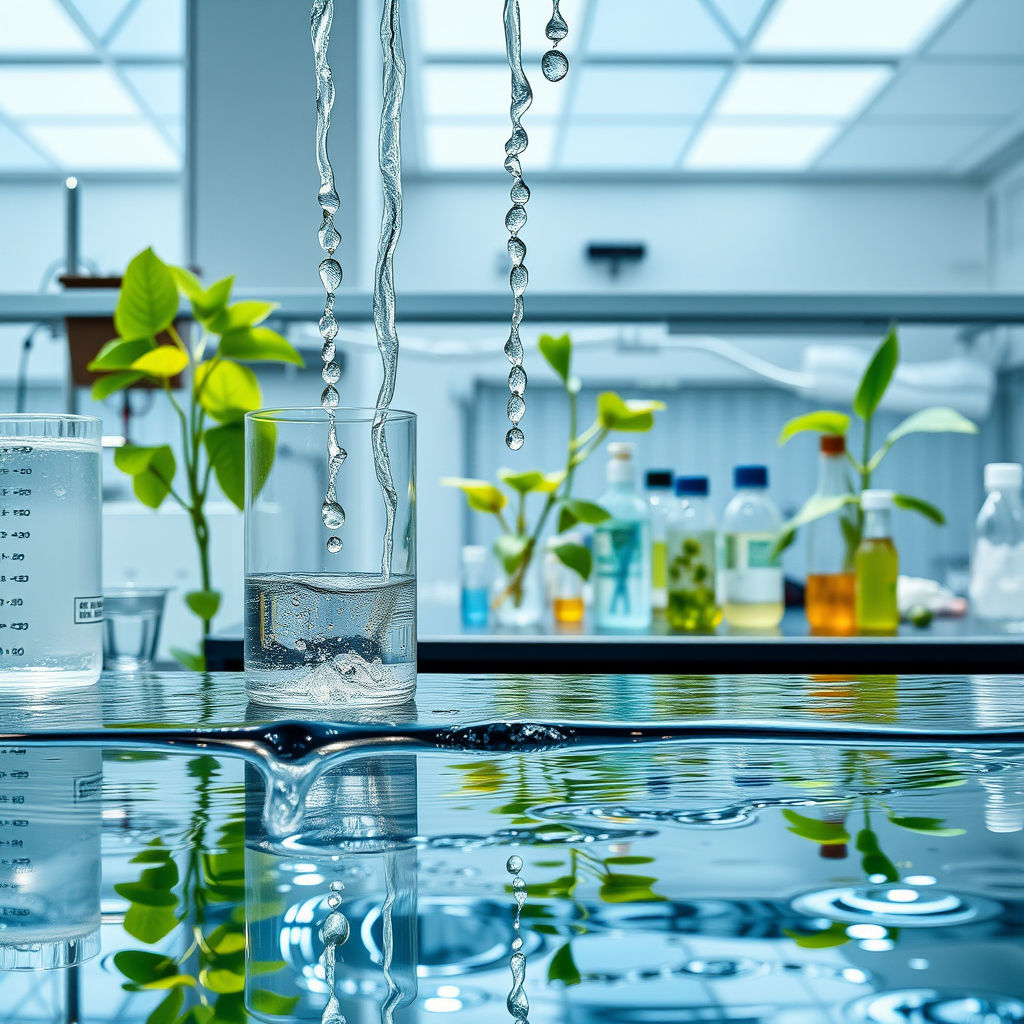


How Labs Analyze Water for Contaminants


At Environmental Labworks Inc, we believe that clean water is the foundation of a healthy community. But because many of the most dangerous contaminants are invisible to the naked eye, it takes sophisticated science to ensure your water is truly safe.
Ever wondered what actually happens to a water sample once it hits the lab? Here is a look behind the curtain at the core processes we use to detect and quantify contaminants.
________________________________________
1. The Starting Point: Proper Collection
Analysis begins before the sample even reaches us. Whether it’s from a municipal source, a private well, or industrial runoff, the water must be collected in specific, sterile containers. Some tests require preservatives (like a drop of acid) to "freeze" the chemical state of the water so it doesn’t change during transport.
2. Identifying "The Big Three"
We generally categorize water analysis into three main buckets:
• Microbiological Testing: We look for bacteria like E. coli and Total Coliforms. We use "culture tests" where we provide a food source for bacteria; if they are present, they grow and change the color of the water or glow under UV light within 24 hours.
• Inorganic Analysis: This covers heavy metals (Lead, Arsenic, Mercury) and minerals. To find these, we use technology like ICP-MS (Inductively Coupled Plasma Mass Spectrometry), which can detect metals at the "parts per trillion" level—the equivalent of finding one specific postage stamp in an area the size of a city.
• Organic Analysis: This targets man-made chemicals like pesticides, gasoline components (BTEX), and "forever chemicals" (PFAS). We use Gas Chromatography (GC) to vaporize the water and separate the different chemical components based on how fast they move through a specialized tube.
3. Physical Parameters
Beyond chemicals and bugs, we test the "vitals" of the water:
• pH Levels: To ensure the water isn't too acidic or basic (which can corrode pipes).
• Turbidity: Measuring how "cloudy" the water is, which can interfere with disinfection.
• Conductivity: Checking how well the water conducts electricity, which hints at the total dissolved salt and mineral content.
4. Data Validation and Reporting
Once the machines and the lab technicians have done their work, our chemists review the data. We compare the findings against EPA and state regulatory standards. If a sample exceeds a safety limit, it’s our job to notify the client immediately so they can take corrective action.
Why It Matters
Water chemistry is dynamic. Seasonal run-off, aging infrastructure, and industrial activity can all change what’s coming out of your tap. Professional lab analysis provides the data needed to keep filtration systems working and families safe.
Do you know what’s in your water?
Whether you are a homeowner with a private well or a facility manager overseeing industrial discharge, Environmental Labworks Inc. is here to provide the clarity you need.


Comments